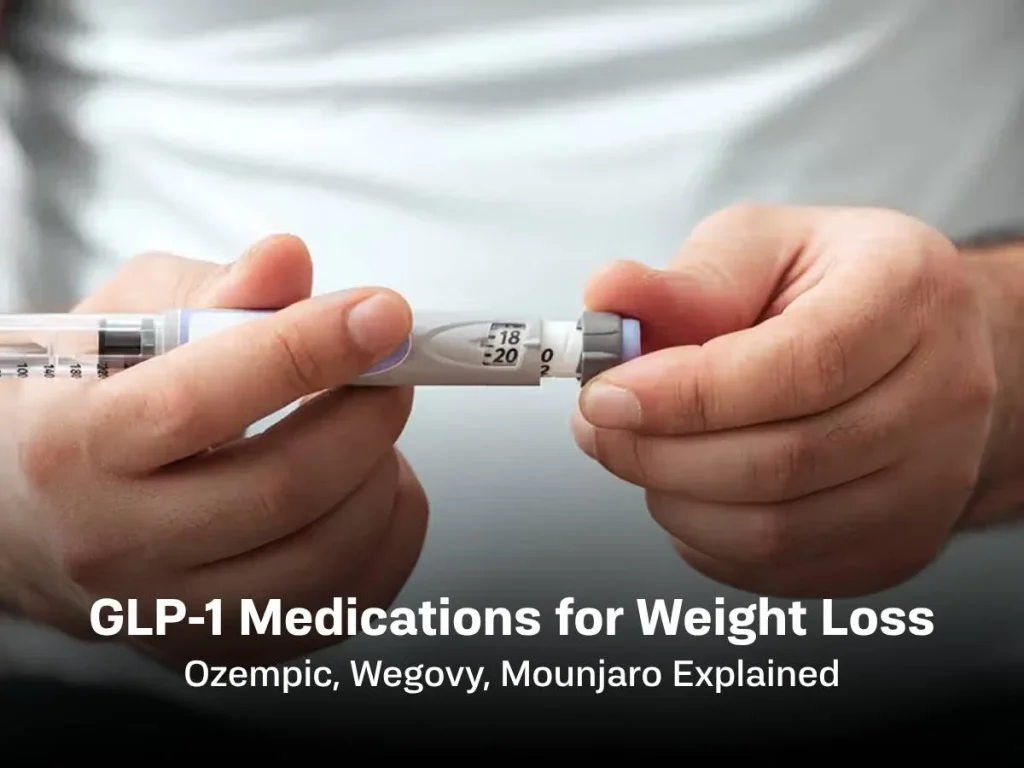
If you have been struggling with weight loss despite eating well and staying active, you are not alone — and you are not failing. The reality is that weight management is complex, and for many people, lifestyle changes alone are not enough. That is where GLP-1 medications have stepped in and genuinely changed the conversation. At Express Internal Medicine in Plano, TX, Dr. Iram Qureshi, DO, works closely with patients to explore whether these medications are an appropriate part of their weight management plan.
What Are GLP-1 Medications?
GLP-1 stands for glucagon-like peptide-1, a hormone your body naturally produces after eating. It helps regulate blood sugar, slows digestion, and signals to your brain that you are full. GLP-1 receptor agonists are medications that mimic this hormone, and they have become some of the most talked-about treatments in both diabetes management and weight loss.
Three names you have probably heard: Ozempic, Wegovy, and Mounjaro. While they are often mentioned together, there are important differences between them.
Ozempic vs. Wegovy: Same Drug, Different Purpose
Both Ozempic and Wegovy contain semaglutide, the same active ingredient. The distinction lies in their approved use and dosing. Ozempic was FDA-approved for type 2 diabetes management and is prescribed at lower doses. Wegovy, on the other hand, is FDA-approved specifically for chronic weight management and is used at a higher dose.
According to clinical research published in the New England Journal of Medicine, participants using semaglutide for weight loss lost an average of around 15% of their body weight over 68 weeks, compared to about 2.4% in the placebo group. These are meaningful results, though individual outcomes vary.
What Is Mounjaro — and How Is It Different?
Mounjaro (tirzepatide) takes things a step further by targeting two hormones — GLP-1 and GIP (glucose-dependent insulinotropic polypeptide). This dual mechanism is thought to produce even greater effects on appetite regulation and blood sugar. Mounjaro was initially approved for type 2 diabetes, and a higher-dose version called Zepbound has since received FDA approval for weight management.
Clinical trials have shown tirzepatide to result in significant weight reduction, though again, responses differ from person to person based on health history, lifestyle, and adherence.
How Do GLP-1 Drugs Work for Weight Loss?
These medications work through several overlapping mechanisms:
- They slow gastric emptying, meaning food stays in your stomach longer and you feel full sooner
- They reduce appetite signals in the brain
- They help stabilize blood sugar levels, which can reduce cravings
- They may improve how the body responds to insulin
It is worth noting that these medications are not a quick fix. They are most effective when combined with dietary changes and increased physical activity, and they are typically used as part of a broader treatment plan supervised by a physician.
GLP-1 Weight Loss Side Effects
Like all medications, GLP-1 drugs come with potential side effects. The most commonly reported ones include:
- Nausea — especially when starting or increasing the dose
- Vomiting or diarrhea
- Constipation
- Stomach discomfort or bloating
These symptoms often improve as the body adjusts. More serious but less common side effects include pancreatitis, gallbladder issues, and in rare cases, concerns about thyroid tumors (based on animal studies — human risk is still being studied). This is why these medications require medical supervision and are not appropriate for everyone.
Who Qualifies for GLP-1 Medications?
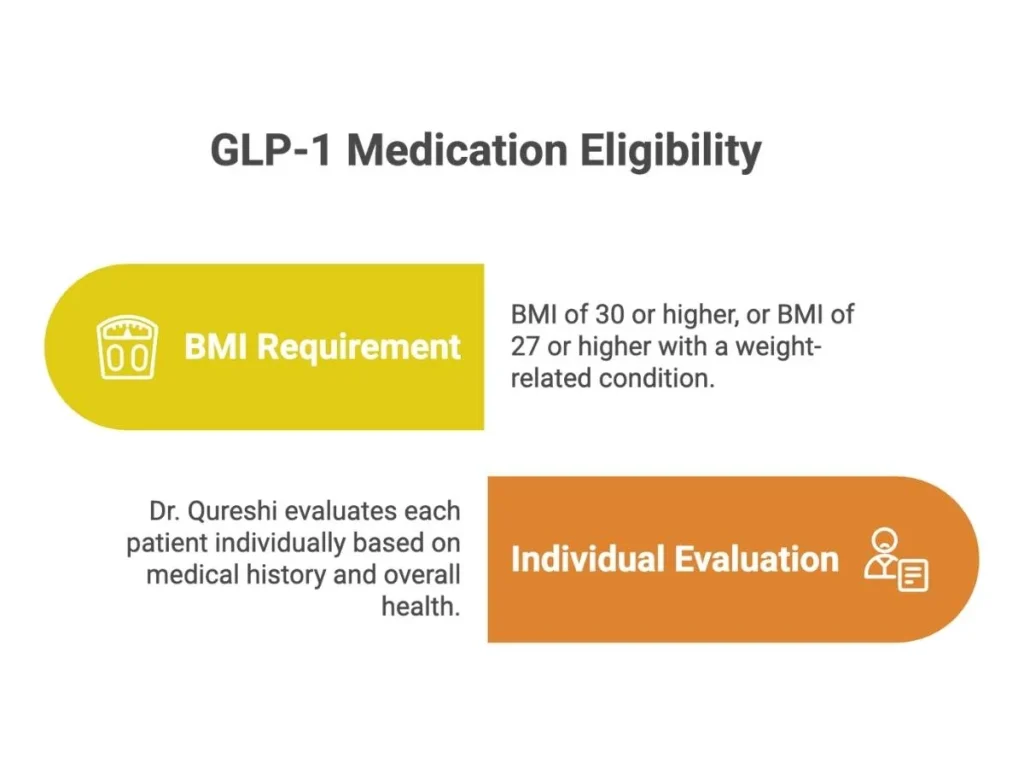
Eligibility typically depends on your BMI and existing health conditions. Generally, Wegovy and Zepbound are considered for adults with a BMI of 30 or higher, or a BMI of 27 or higher with at least one weight-related condition such as high blood pressure, type 2 diabetes, or high cholesterol.
Dr. Qureshi evaluates each patient individually. A thorough medical history, current medications, and overall health picture all factor into whether a GLP-1 medication is appropriate for you.
Are These Medications Right for You?
The decision to start any medication is deeply personal and should never be based on social media trends or what worked for someone else. If you are curious about GLP-1 medications, the best first step is a conversation with your doctor. Dr. Iram Qureshi, DO, can help you weigh the benefits and risks based on your specific situation.
Express Internal Medicine is currently accepting new patients in Plano, TX. Reach out to schedule a weight management consultation.
Frequently Asked Questions
Can I take Ozempic for weight loss if I don’t have diabetes?
Ozempic is FDA-approved for type 2 diabetes. Wegovy (same ingredient, higher dose) is the version approved for weight loss in non-diabetic patients. Your doctor can guide you on which is appropriate.
How long does it take to see results with GLP-1 medications?
Some patients notice appetite changes within the first few weeks, but significant weight loss typically becomes apparent after 3 to 6 months of consistent use.
Will I regain weight if I stop taking these medications?
Research suggests that weight can return after stopping GLP-1 medications, which is why long-term lifestyle changes are an important part of treatment.
Are GLP-1 medications covered by insurance?
Coverage varies widely. Ozempic is more commonly covered for diabetes patients; Wegovy and Zepbound coverage for weight loss is improving but not universal. Always check with your insurer.
Can GLP-1 medications be used alongside other weight loss treatments?
This depends on your overall health. Your doctor will assess potential interactions with other medications and discuss a comprehensive approach.
Is Mounjaro safe for long-term use?
Ongoing studies continue to evaluate long-term safety. As of current evidence, it appears generally well-tolerated under medical supervision, but regular monitoring is recommended.
Medical Disclaimer: This blog post is intended for informational purposes only and does not constitute medical advice, diagnosis, or treatment. Always consult a qualified healthcare provider before making any changes to your health regimen. If you have questions about your health, please speak with Dr. Iram Qureshi, DO, or another licensed medical professional.

Dr. Iram Qureshi is a dedicated board-certified Internal Medicine physician with a strong passion for preventative care and weight-loss management. With over five years of experience as a hospitalist, Dr. Qureshi has honed her expertise in treating acute medical conditions and focusing on preventing hospitalizations. She is committed to providing compassionate care and evidence-based guidance to help patients lead healthier lifestyles.
As the co-founder of Express Internal Medicine, Dr. Qureshi works alongside her husband, Dr. Adeel Khan, to create a welcoming and supportive environment for patients. She specializes in weight-loss management, offering personalized treatment plans aimed at achieving sustainable health outcomes. Dr. Qureshi holds degrees from Ohio State University and The University of Pikeville-Kentucky College of Osteopathic Medicine, with internal medicine training from Midwestern University OPTI in Sierra Vista, Arizona.
Fluent in English and Urdu/Hindi, Dr. Qureshi is passionate about educating her patients and empowering them to take charge of their health. Outside of her medical practice, she enjoys cooking, traveling, photography, and movies.